Tea Cup: A Elegant Font for Business Branding
It was a busy morning at the local bakery, and I was tasked with updating the packaging for their signature lavender honey bread. The old labels felt a bit outdated, and the owner wanted something that would stand out on the shelf while still feeling warm and inviting. That’s when I reached for Tea Cup, a delicate, flowing handwritten font that had been on my radar for a while.
What Is Tea Cup?
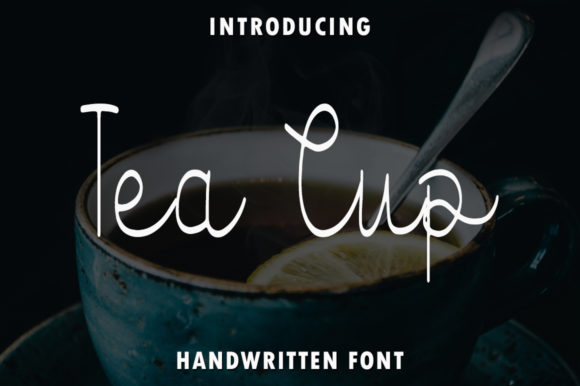
Tea Cup is a script font with a soft, elegant personality. Its characters flow smoothly, giving it a sense of movement and grace. It's not overly ornate, but it has just enough detail to feel special without being distracting. The font balances beauty and readability, making it ideal for business branding where style and clarity matter.
As a creative consultant, I’ve tested many fonts, but Tea Cup stands out for its versatility. It feels like a premium font that can elevate a brand without needing too much explanation. Whether it's used in logos, product labels, or social media graphics, it brings a touch of sophistication that feels approachable.
Real-World Use Cases
One of the first projects I used Tea Cup on was a skincare label for a small candle and body care business. The owner wanted something that felt natural and handmade, and Tea Cup fit perfectly. The font added a personal touch to the product name, making it feel more authentic and trustworthy.
Another example came when I helped a café refresh their menu. The original design was functional but lacked character. By incorporating Tea Cup into the headings and subheadings, we gave the menu a fresh, cohesive look that felt more refined. It made the menu feel like part of a larger brand story rather than just a list of items.
Tea Cup also works well on thank-you cards and stickers. For a boutique selling handmade soaps, using the font on custom tags gave each product a unique, thoughtful finish. It helped reinforce the brand’s commitment to quality and care.
When to Use Tea Cup
Tea Cup excels as a display font. It’s best suited for headlines, logos, and short phrases where visual impact matters. It’s not ideal for long blocks of text due to its cursive style, but when used sparingly, it adds a layer of elegance that can make a big difference.
For businesses looking to create a consistent brand identity, Tea Cup can be a key element. It pairs well with clean sans serif fonts like Helvetica or Arial, which provide contrast and balance. Using it alongside a modern typography style can help maintain visual harmony across different materials.
When working with printed packaging, it's important to ensure that Tea Cup remains legible at smaller sizes. Testing it on sample labels or mockups before final production is always a good idea. On digital platforms like Instagram or online shop banners, the font looks great as a decorative accent or in bold headlines.
Design Tips and Pairing Ideas
When using Tea Cup, think about how it complements other design elements. For instance, pairing it with an elegant serif font like Georgia or Garamond can create a classic, polished look. Alternatively, combining it with a simple sans serif font can give a modern yet friendly feel.
For businesses that want to keep things simple, using Tea Cup as a secondary font for headings and titles while reserving a more neutral typeface for body text can help maintain readability. This approach ensures that the font enhances the design without overwhelming it.
Also, consider the context. If you're designing for a luxury brand, Tea Cup might work better as a headline font. For a more casual or playful brand, it could be used more broadly, especially in social media graphics or promotional materials.
Font Details and Licensing
Before using Tea Cup in any project, it's important to check what styles and file formats are included. Some fonts come with multiple weights or alternate characters, which can add flexibility to your design. Ensuring that the font supports the languages you need is also crucial, especially if you're targeting international markets.
For small businesses, understanding the licensing terms is essential. Make sure you have the right to use the font on products, packaging, and digital assets. Many fonts offer commercial licenses that allow for use in branding materials, but it's always wise to confirm the details before proceeding.